The Ultimate "Coffee Alternative" Guide for GERD
If I had a dollar for every time a patient sat across from me and said, “Please don’t take away my coffee,” I’d probably have enough to open my own (acid-friendly) café.
As a Reflux Dietitian, I get it. Coffee isn’t just a drink; it’s a morning ritual, a productivity tool, and sometimes, the only thing getting you through a 7:00 AM meeting. But when you’re dealing with Gastroesophageal Reflux Disease (GERD) or Silent Reflux (LPR), that morning cup can feel like a liquid arsonist.

Why Does Coffee Hurt So Much?
It’s not just the acidity. Most people think "low acid" coffee is the magic bullet, but coffee is a "triple threat" to your esophagus:
The Acid: With a pH typically around 5, coffee is naturally acidic.
The Caffeine: Caffeine relaxes the Lower Esophageal Sphincter (LES)—the muscular valve that acts as a door between your stomach and your throat. When that door stays "ajar," acid creeps up.
Gastrin Stimulation: Coffee triggers the hormone gastrin, which tells your stomach to pump out even more acid.
If you aren't ready to give up the ritual, you don't have to suffer. Let’s look at the dietitian-approved alternatives that actually taste like the real deal.
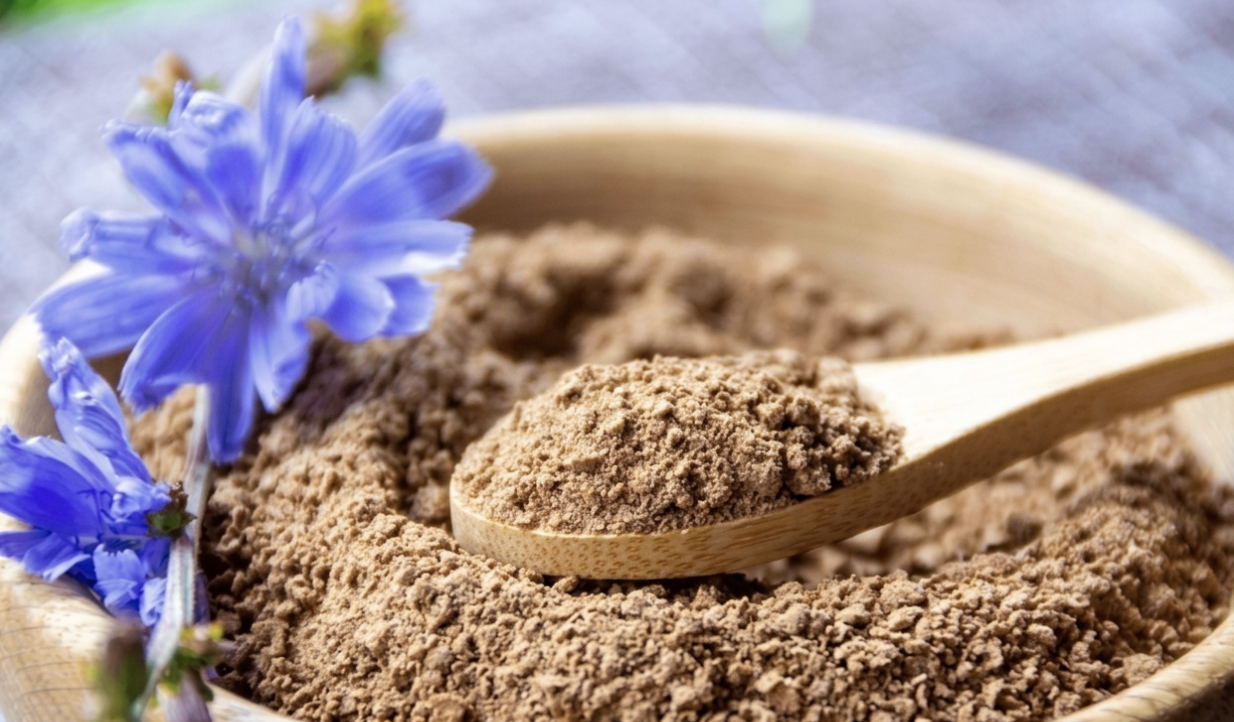
1. Chicory Root
Chicory root is the closest flavor match to coffee on the market. In fact, it’s been used as a coffee substitute in New Orleans for over a century.
The Flavor Profile: It’s dark, nutty, and has that signature "bitter" bite that coffee drinkers crave.
The Dietitian's Take: Chicory is naturally caffeine-free and rich in inulin, a prebiotic fiber. This is a double-win. Not only does it keep your LES closed, but it also feeds the "good" bacteria in your gut. However, a word of caution: if you have a sensitive gut or SIBO, start with small amounts, as inulin can cause gas if introduced too quickly.
A great option is Teeccino’s French Roast Instant Herbal Coffee, made from roasted chicory, wild ramón seeds, and black barley. You can use the code MOLLYP10 for a discount!
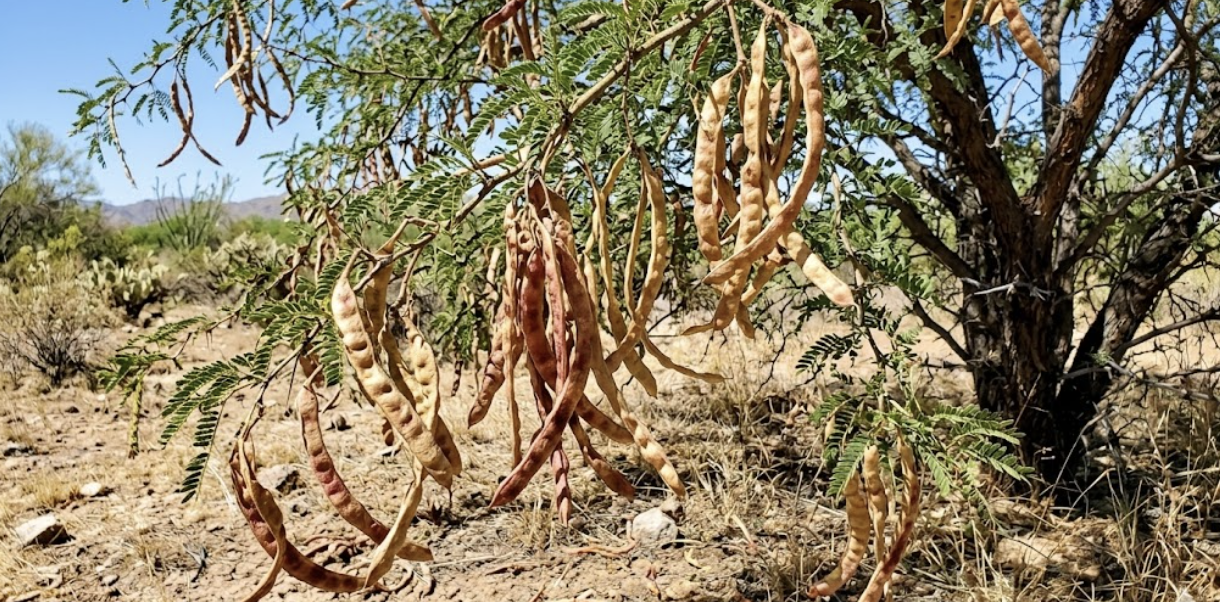
2. Mesquite
Mesquite is a super underrated coffee alternative that comes from ground mesquite pods. It’s been used traditionally in parts of North and Central America and is finally getting more attention as a gut-friendly option.
The Flavor Profile: Naturally sweet, slightly nutty, with hints of caramel and cocoa.
The Dietitian's Take: Mesquite is naturally caffeine-free and low-acid, making it a great option for reflux. It also contains soluble fiber, which can support gut health and help with blood sugar stability.
I love the KAMANA coffee alternative made with mesquite—it mixes well, tastes amazing, and is one of the easiest ways to upgrade your morning routine without triggering reflux. You can use code MOLLY15 for a discount! Shop KAMANA here.
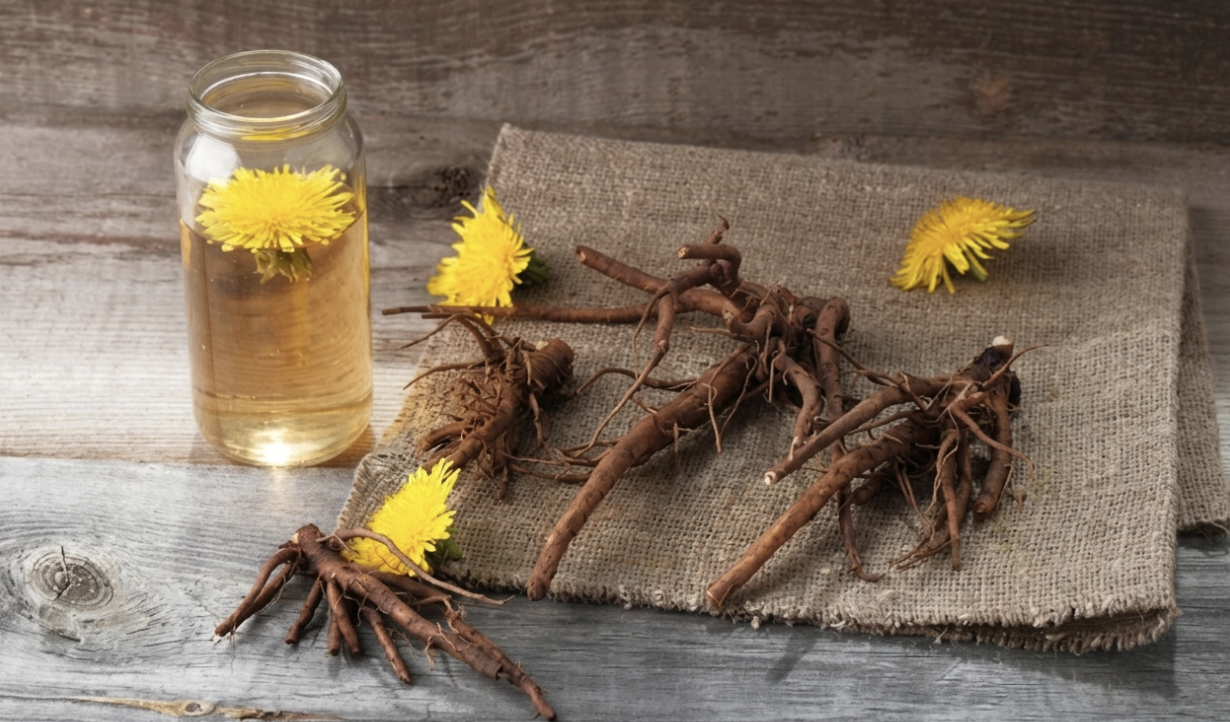
3. Roasted Dandelion Root
If you like a medium or light roast, dandelion root tea is your new best friend.
The Flavor Profile: Toasty and slightly sweet with an earthy finish.
The Dietitian's Take: Dandelion is a "bitter" herb. In the world of nutrition, bitters are amazing for digestion. They stimulate bile production and help "prime" your digestive system to move food downward (peristalsis). For my reflux patients, moving food down faster means less time for it to sit in the stomach and splash back up.
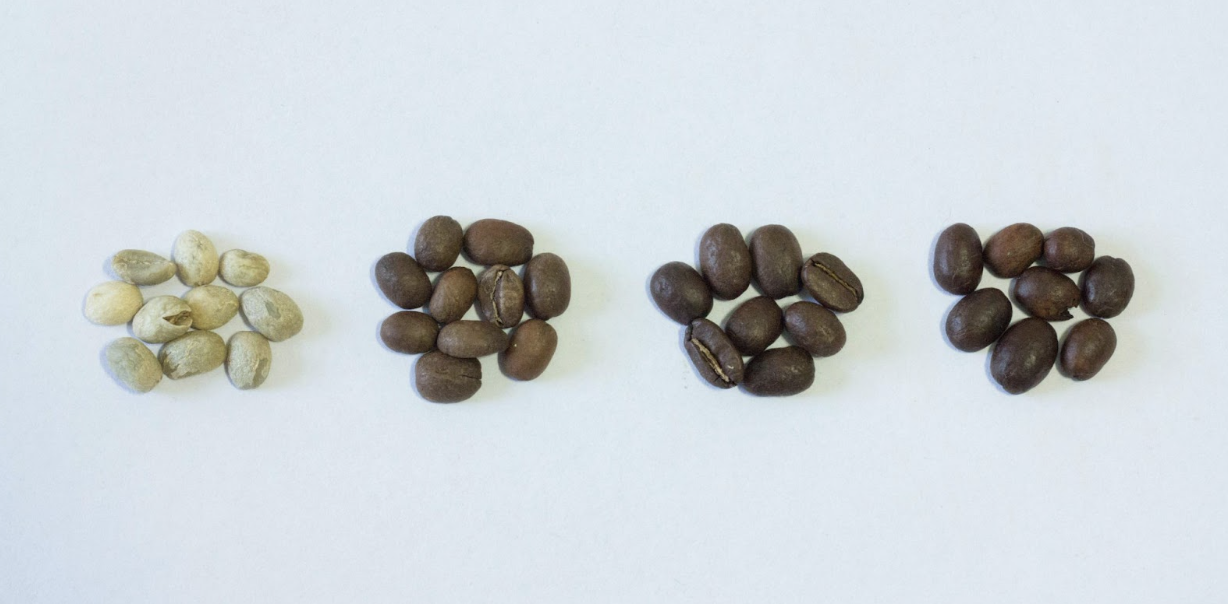
4. Low-Acid Dark Roasts
If you absolutely cannot live without actual coffee beans, you need to be strategic.
Go Dark: It seems counterintuitive, but dark roasts are often better for reflux than light roasts. Studies show that dark roasted beans contain a compound called N-methylpyridinium (NMP), which actually helps block the stomach's ability to produce excess acid.1
Cold Brew it: Cold brewing coffee reduces the total acid extraction by up to 60% compared to hot brewing.
The Dietitian's Take: Always pair your coffee with an alkaline milk like almond or oat milk to help neutralize the pH further.
If you’re looking for a more targeted option, my go-to recommendation is DAYES enzyme-fermented low-acid coffee. It’s specifically designed to be easier on digestion while still tasting like real coffee—not a substitute. You can use code FLORA for a discount!
When to Seek Expert Help
If you’ve tried every substitute and you’re still waking up with a burning throat, it’s time for a deeper dive. As a Reflux Dietitian, I help you look at the "why" behind the burn. Is it a mechanical issue? A motility issue? Or a nervous system trigger?
Stop guessing and start healing. Let’s find a morning ritual that loves you back through our FLORA 1:1 nutrition counseling program that provides the expert, evidence-based guidance you need to heal with clarity. You can learn more and apply HERE.
For everyday support, including gut-soothing recipes and targeted protocols for mucosal health, the FLORA app serves as your digital companion for a life without the burn. By staying committed to these foundational shifts and utilizing the right tools, you can move forward with the comfort and peace of mind you deserve.
Products Listed:
Teeccino’s French Roast Instant Herbal Coffee - Code: MOLLYP10
KAMANA - Code: MOLLY15
DAYES enzyme-fermented low-acid coffee - Code: FLORA
References
Rubach M, Lang R, Bytof G, et al. A dark brown roast coffee blend is less effective at stimulating gastric acid secretion in healthy volunteers compared to a medium roast market blend. Mol Nutr Food Res. 2014;58(6):1370-1373. doi:10.1002/mnfr.201300890
👩⚕️ Author:
Molly Pelletier, MS, RD, is a Registered Dietitian specializing in Gastroesophageal Reflux Disease (GERD), Laryngopharyngeal Reflux (LPR), and integrative gut health nutrition. Through FLORA, she helps clients resolve complex GI symptoms using evidence-based, root-cause protocols.