
Free Nutrition Resources
We’re here to support you.
Every step of the way.

Why Your Endoscopy Was Normal But Your Reflux Isn't: H. pylori, Low Stomach Acid, and the GI-MAP
A normal endoscopy can be reassuring, but it does not always explain why reflux symptoms are still happening. If your scope showed no erosions, Barrett’s, or major structural damage but you still experience throat burning, globus, bloating, or pressure after meals, there may be digestive drivers that an endoscopy was never designed to measure. H. pylori, digestive function, gut bacteria, fermentation, and markers of gut immune activity can all add important context. In this guide, we’ll look at what a normal scope actually tells you, where low stomach acid and H. pylori fit into the reflux picture, and how a GI-MAP stool test can help identify potential root contributors that may be missed by standard testing.

Why PPIs Don't Work for LPR: The Pepsin Explanation Your Doctor Skipped
Why are you still clearing your throat, losing your voice, or dealing with a raw throat even after taking a PPI? If your acid is under control but your LPR symptoms are not, pepsin may be the missing piece. PPIs reduce stomach acid, but they do not stop reflux or remove pepsin, a digestive enzyme that can travel into the throat with both acidic and non-acidic refluxate. In this evidence-based guide, discover how pepsin may contribute to persistent LPR symptoms, why PPIs may fall short for throat symptoms, and what you can do to reduce reflux exposure and support healing without relying on an endless list of food restrictions.

Vagus Nerve Function and Reflux: Why Cutting More Foods Stopped Working
If your list of “safe” foods keeps shrinking but reflux, throat spasms, bloating, and digestive symptoms keep coming back, food may not be the whole problem. Your vagus nerve helps coordinate the lower esophageal sphincter, esophageal movement, stomach emptying, and intestinal motility. When the autonomic nervous system becomes dysregulated, these systems can lose coordination, making symptoms persist even when you have eliminated every obvious trigger. In this guide, you’ll learn how the nervous system and digestion are connected, which breathing and mealtime practices can support better regulation, and when persistent symptoms may point to something that needs deeper investigation.

The Lump in Your Throat: Globus Sensation, Silent Reflux, and the Nervous System Loop
That persistent lump in your throat is real, even when nothing is physically stuck there. Known as globus sensation, it is common with silent reflux (LPR) and can persist even when acid-suppressing medication has not helped. The reason may be a cycle involving pepsin, irritated throat tissue, heightened nerve sensitivity, and the nervous system. In this guide, we explain why globus happens, how silent reflux and stress can amplify the sensation, and the practical steps you can take to support the throat, reduce reflux exposure, and calm the nervous system.

Why You're Always Clearing Your Throat (Meet Pepsin, the Enzyme Behind Silent Reflux)
If you're constantly clearing your throat, dealing with a persistent cough, hoarseness, or that frustrating lump-in-your-throat feeling, you may have been told it's allergies. But what if the real culprit is something happening much lower down Laryngopharyngeal reflux (LPR), often called silent reflux, can send stomach contents into the throat without causing the classic heartburn associated with GERD. One of the key players is pepsin, a digestive enzyme that can travel upward with reflux, linger in throat tissue, and become active again when exposed to acid.In this article, I'll explain why pepsin can make your throat symptoms feel constant and unpredictable, why a normal endoscopy doesn't necessarily rule out LPR, and the evidence-based strategies I use with clients to reduce reflux exposure and support irritated throat tissue.

Silent Reflux (LPR) Diet: 10 Foods to Avoid To Heal Fast
Silent reflux can cause throat clearing, coughing, hoarseness, globus, and throat irritation without the classic burn of heartburn. In this mechanism-first guide, a reflux dietitian explains 10 foods that may worsen LPR through acidity and pepsin activation, lower esophageal sphincter relaxation, or increased stomach pressure. Learn which foods may be worth temporarily lowering during a healing phase, what to swap them with, and three strategies to add so your reflux plan does not become another restrictive diet.

Hiatal Hernia Diet & Natural Support: A Reflux Dietitian's Guide
A hiatal hernia changes the mechanics of your anti-reflux barrier, which can make reflux symptoms worse after large meals, bending, lifting, or lying down. This guide explains what a hiatal hernia actually does to the LES and diaphragm, why meal size and timing matter, and how strategies like diaphragmatic breathing, left-side sleeping, alginate rafts, and thoughtful nutrition can help. Learn which natural approaches are supported by research and how to build a practical plan for reducing reflux symptoms without relying on an increasingly restrictive food list.

Acid Reflux & Bile Reflux After Gallbladder Removal: What the Research Actually Shows
Can gallbladder removal cause acid reflux? The research shows that bile flow really does change after surgery, but the effect on reflux symptoms is much smaller and more complicated than many online claims suggest. In this evidence-based guide, I break down bile reflux vs. acid reflux, post-cholecystectomy symptoms, ox bile and bile salts, and what may actually help with reflux and digestive symptoms after gallbladder removal.

Gut Microbiome and Acid Reflux: What a 134,000-Person Study Found
A major 2026 study following more than 133,000 people for nearly 14 years found that those eating a more microbiome-supportive diet had a 19% lower hazard of developing GERD. The connection may involve fiber, short-chain fatty acids, gut barrier health, and digestive motility, but there is an important catch: the researchers never actually measured participants' gut microbiomes.
Here's what the research found, where the evidence is strongest, and how to start building a more microbiome-friendly plate without overwhelming your digestive system.

H. pylori and Acid Reflux: The Stomach Bacteria Most People Never Get Tested For
H. pylori is one of the most overlooked contributors to stomach and reflux symptoms, yet roughly 43% of people worldwide carry this bacteria. Learn how H. pylori can affect stomach acid, contribute to gastritis and upper-belly burning, why strain status may matter, and what testing, food, and supplements can realistically do. If you have been working on your reflux for months without answers, this guide can help you understand whether H. pylori deserves a closer look.

Tried Everything for Your Reflux? 10 Things to Do Before You Give Up
Cut out coffee, tomatoes, and wine? Tried medications, supplements, and every reflux tip you can find, but still struggling with symptoms? Before you decide nothing works, there may be a few important pieces your reflux plan is missing. Dietitian and reflux specialist Molly Pelletier, MS, RD, shares 10 things to look at before giving up, from confirming what is actually driving your symptoms to supporting your nervous system, motility, consistency, and recovery.

The Ultimate Guide to GERD: The Full Root-Contributor Protocol I Used to Heal Chronic Reflux
If you’ve tried eliminating foods, taking medication, and following every reflux rule you can find, yet still feel stuck, your GERD may need a different approach. In this ultimate guide, Molly Pelletier, MS, RD, breaks down the root contributors behind chronic reflux and shares the practical protocol she used to heal, from supporting the LES and nervous system to improving mealtime habits and strategically adding soothing support.

You're Doing Everything "Right." So Why Won't Your Reflux Heal?
You're avoiding trigger foods, sleeping with your head elevated, and doing everything you've been told, but your reflux still isn't improving. Discover the 7 common acid reflux mistakes that can keep GERD and LPR symptoms lingering, along with the mechanism-based strategies a registered dietitian recommends to help you move forward with confidence.

Silent Reflux (LPR): Why Your Throat Won't Stop Clearing
Silent reflux (LPR) can cause constant throat clearing, a lump-in-the-throat sensation, hoarseness, or a chronic cough, even when you never experience heartburn. This guide explains why pepsin, not just stomach acid, often drives these persistent throat symptoms and why a normal endoscopy doesn't always rule out reflux. You'll also learn evidence based strategies including a low acid healing phase, psyllium fiber, diaphragmatic breathing to strengthen the anti reflux barrier, and throat soothing support to help calm irritation and address the root contributors to silent reflux.

Probiotic Sodas: Do They Really Help Your Gut? A Dietitian Reviews 5
If you've been wondering whether probiotic sodas are actually good for your gut, you're not alone. This guide reviews five popular options, explains what really matters beyond the marketing claims, and explores how probiotics, prebiotic fibers, and carbonation can affect gut health and acid reflux. Learn what to look for on the label so you can make a more informed choice.
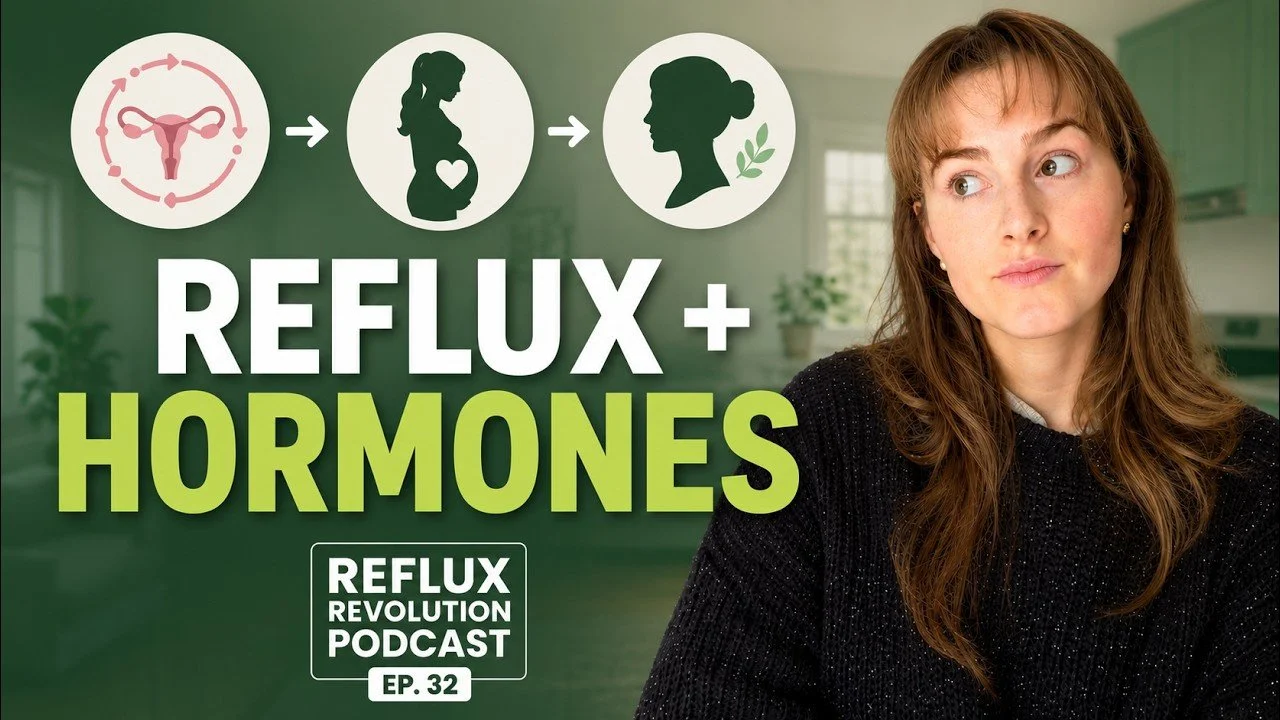
Why Your Reflux Gets Worse Around Your Period (And During Menopause)
Have you noticed your reflux getting worse the week before your period or appearing for the first time during perimenopause or menopause? You're not imagining it. Hormonal changes can influence the strength of your lower esophageal sphincter, slow stomach emptying, and increase nervous system sensitivity, creating the perfect conditions for reflux symptoms to flare.

How to Eat With Confidence Again When You Live With Reflux
Living with reflux can make every meal feel uncertain, but healing does not have to mean living on an ever shrinking list of "safe" foods. True confidence comes from understanding what is happening in your body, supporting your digestive system with the right tools, and gradually rebuilding trust with food instead of fear.

2 Types of Acid Reflux Doctors Often Miss (LPR & Reflux Hypersensitivity)
Your endoscopy was normal, but your reflux symptoms are still here. This blog explores why reflux hypersensitivity and silent reflux (LPR) often go undetected on standard testing, why acid blockers don't always solve the problem, and how a nervous system and tissue healing approach can help you move beyond endless food restriction and start addressing the real root cause.
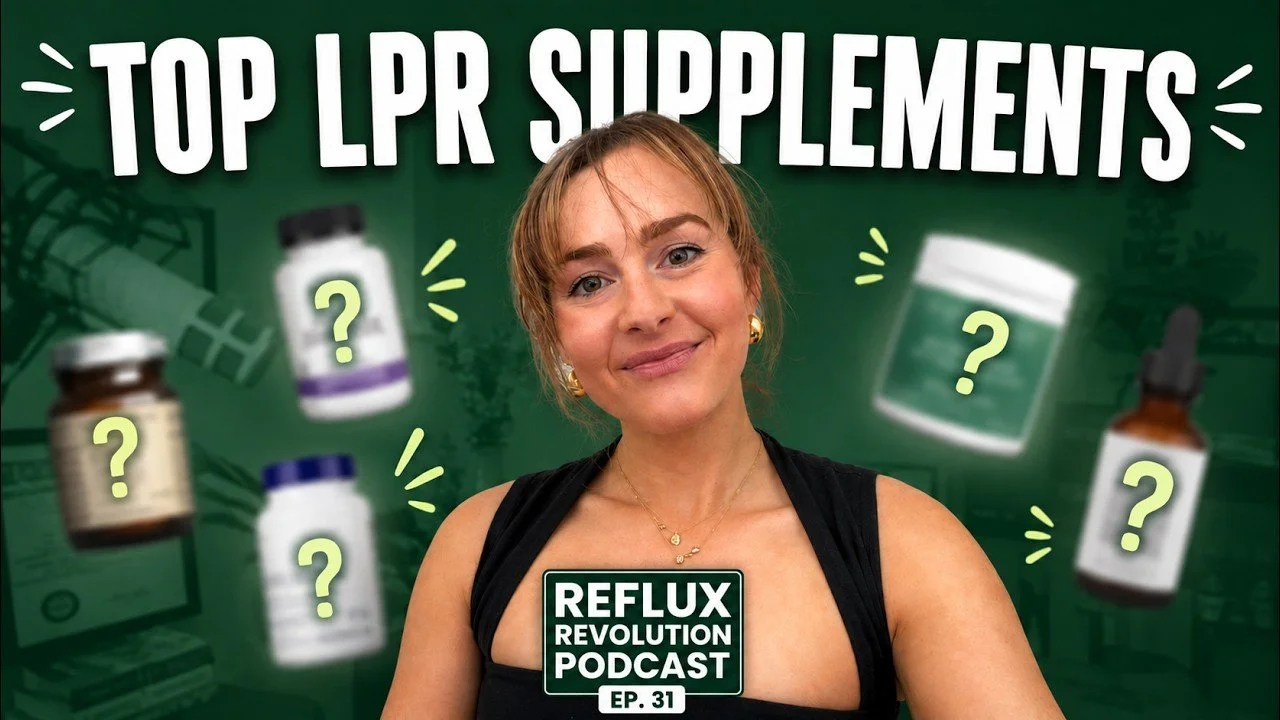
LPR Supplements: What Actually Helps Silent Reflux
If you are dealing with silent reflux (LPR), buying random supplements to treat separate symptoms like throat clearing or hoarseness rarely moves the needle. To truly heal, you must stop guessing and start matching your routine to what your tissues actually need, especially when combating pepsin, the stubborn enzyme that drives chronic laryngeal irritation. In this post, we break down how to transition from a chaotic pile of bottles to a strategic supplement architecture built around mucosal repair, tissue soothing, and motility.

Top Supplements for Acid Reflux, GERD & LPR
FLORA’s top supplement recommendations for GERD, Reflux, LPR (plus discounts inside!)
Join Our Community of 8.3k+ Members 
The FLORA™ App
Finally, stop acid reflux symptoms and live with freedom.

