The Role of Fiber in GERD: Soluble vs. Insoluble and Practical Tips
When it comes to managing acid reflux, most people focus on eliminating foods. Coffee. Tomatoes. Chocolate. Spicy foods.
But what if the key to reflux relief isn't about what you remove—but what you add?
Enter: fiber.
Recent research shows that certain types of fiber can significantly reduce GERD symptoms (1). But here's the catch: not all fiber works the same way. In fact, the wrong type of fiber can make reflux worse.
Let's break down the science, the mechanisms, and how to use fiber strategically for lasting reflux relief.
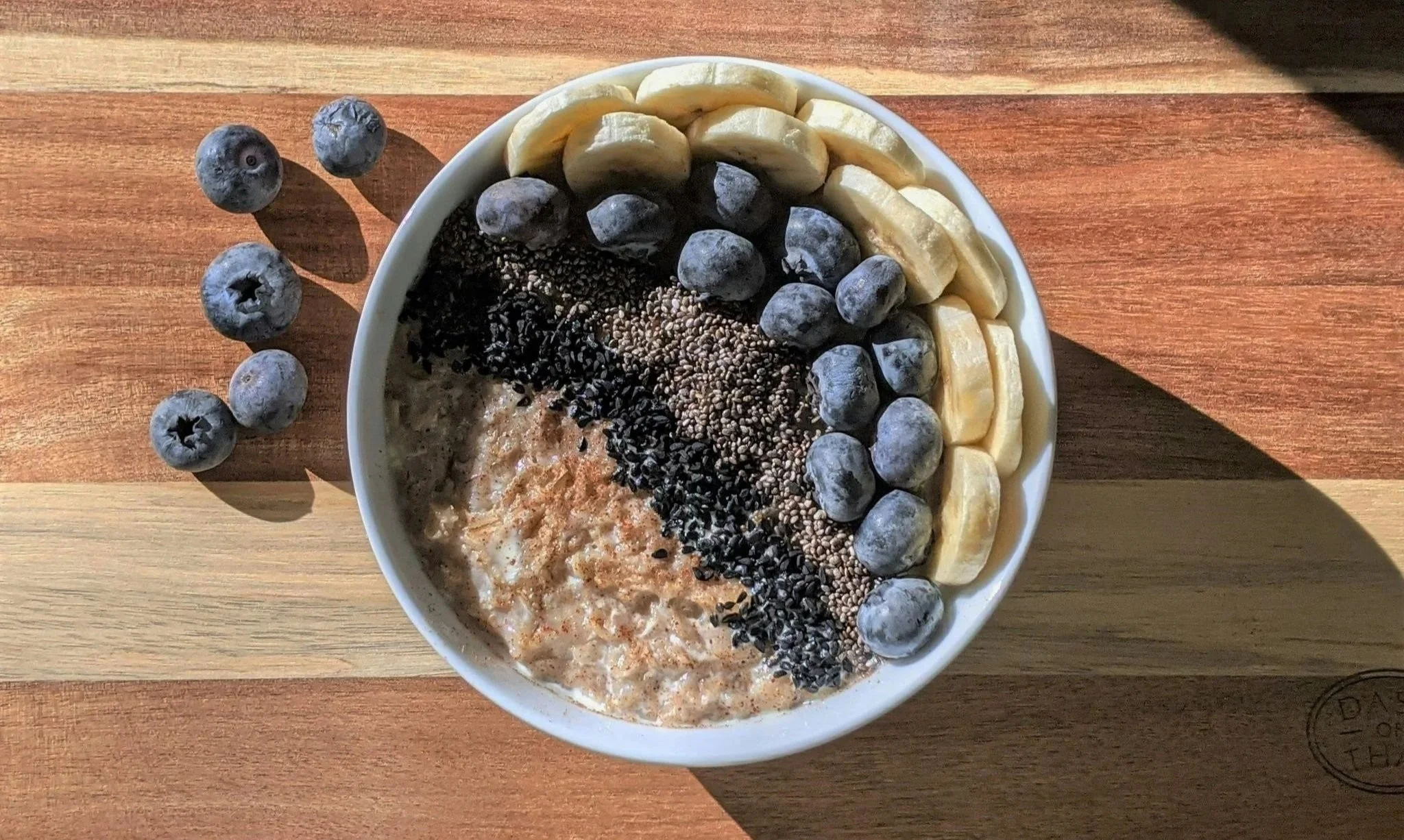
Soluble vs. Insoluble Fiber: What's the Difference?
Fiber is classified into two main categories based on how it behaves in water:
Soluble Fiber
Dissolves in water to form a gel-like substance. It ferments in the colon, feeding beneficial gut bacteria and producing short-chain fatty acids (SCFAs) which are important for gut health, colon cell function, and overall metabolic health.
Sources Include:
Oats, oat bran
Psyllium husk
Chia seeds, flaxseeds
Apples, bananas, pears (without skin)
Sweet potatoes
Legumes (if tolerated)
Insoluble Fiber
Insoluble fiber is the type of fiber that does not dissolve in water. Instead of forming a gel, it stays mostly intact as it moves through your digestive system. It adds bulk to stool and speeds up transit time through the digestive tract.
Sources:
Whole wheat, wheat bran
Brown rice, quinoa
Leafy greens (kale, spinach)
Cruciferous vegetables (broccoli, cauliflower)
Nuts, seeds (with skins)
Fruit and vegetable skins
For GERD, soluble fiber is the hero—but insoluble fiber has an important supporting role.

How Soluble Fiber Reduces Reflux: The Mechanisms
Multiple studies show that soluble fiber directly improves GERD symptoms. Here's how:
1. Reduces Gastric Pressure
Soluble fiber forms a viscous gel in the stomach. This gel slows gastric emptying just enough to buffer stomach acid without increasing pressure. Think of it like a cushion that absorbs and neutralizes acid before it can reflux.
2. Neutralizes Pepsin
Pepsin is the enzyme that causes throat irritation, hoarseness, and chronic cough in LPR (laryngopharyngeal reflux). Soluble fiber binds to pepsin and deactivates it, reducing tissue damage in the esophagus and throat (2).
3. Feeds the Microbiome → Increases Vagal Tone
When soluble fiber ferments in the colon, it produces short-chain fatty acids (SCFAs) like butyrate, propionate, and acetate. SCFAs:
Strengthen the gut lining
Reduce inflammation
Stimulate the vagus nerve, which increases LES pressure and improves motility
This gut-brain connection is why fiber isn't just a "gut health" intervention—it's a nervous system intervention.
4. Improves Esophageal Clearance
Soluble fiber increases saliva production, which helps neutralize acid and clear the esophagus more efficiently.
What the Research Says: Fiber Outperforms Prokinetics
A groundbreaking 2025 randomized controlled trial (Rana et al., PMID: 40226240) studied 505 patients with laryngopharyngeal reflux (LPR) over 16 weeks.
The results:
PPI + psyllium husk: 82% symptom resolution
PPI + prokinetics: 75% symptom resolution
PPI alone: 65% symptom resolution
Psyllium (a soluble fiber) outperformed motility medications. The Reflux Symptom Index (RSI) dropped by an average of 9.70 points in the psyllium group.
The takeaway: Adding soluble fiber is one of the most effective, evidence-based interventions for reflux—and it's safer and cheaper than many medications.
Can Insoluble Fiber Worsen Reflux?
Yes—in certain contexts.
Insoluble fiber speeds up transit time and adds bulk. For people with:
Gastroparesis (delayed gastric emptying)
Aerophagia (excessive air swallowing)
IBS-D (diarrhea-predominant IBS)
...insoluble fiber can increase gas, bloating, and intra-abdominal pressure—all of which worsen reflux.
However, insoluble fiber isn't "bad." It plays a critical role in regularity and colon health. The key is balance and timing.
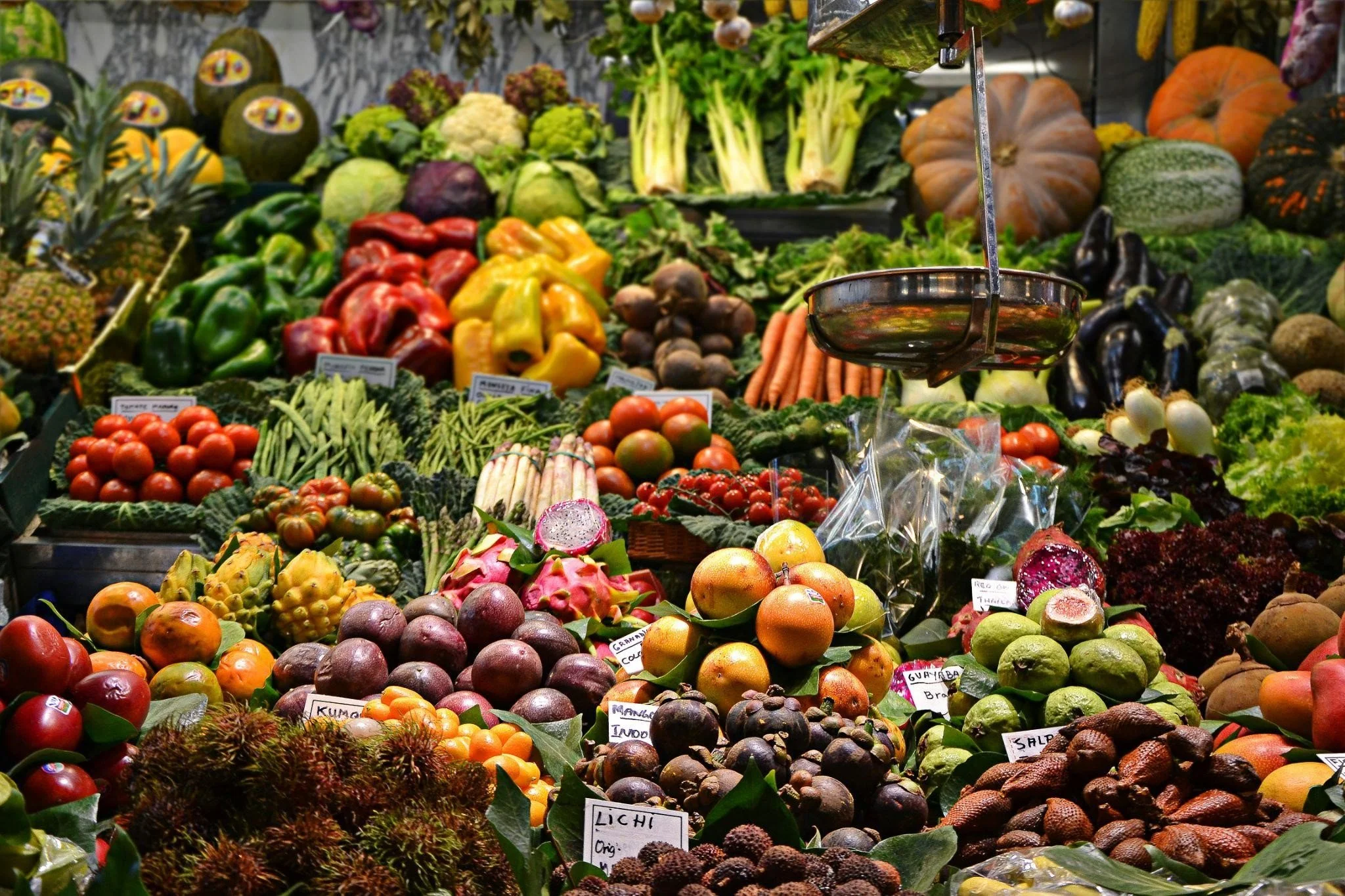
How Much Fiber Do You Need for GERD Relief?
The general recommendation for adults is 25–35 grams of fiber per day. But most Americans get only 10–15 grams.
For reflux relief, aim for:
10–15 grams of soluble fiber per day
15–20 grams of insoluble fiber per day
Start low and increase gradually to avoid gas and bloating.
Practical Tips: How to Add Fiber Without Triggering Reflux
1. Prioritize Low-Acid, High-Soluble-Fiber Foods
Oatmeal (not instant—steel-cut or rolled oats)
Bananas (ripe, not green)
Sweet potatoes (baked, not fried)
Cooked carrots
Applesauce (unsweetened)
2. Avoid High-FODMAP Fibers During Flares
If you're actively flaring, avoid:
Beans, lentils, chickpeas
Onions, garlic
Cauliflower, broccoli
Apples with skin, pears with skin
These can ferment rapidly and increase gas, worsening reflux.
3. Pair Fiber with Adequate Hydration
Soluble fiber needs water to form a gel. Aim for 8–10 cups of water per day. Dehydration reduces fiber's effectiveness and can worsen reflux.
5. Don't Overdo Insoluble Fiber at Night
Large salads or raw vegetables before bed can increase gastric volume and slow emptying. Save high-fiber meals for earlier in the day.
6. Utilize Psyllium Husk
Psyllium is the most researched soluble fiber for GERD. It's low-FODMAP, well-tolerated, and highly effective.
Dose: 5–10 grams per day (1–2 teaspoons in 8–12 oz water)Timing: 30 minutes before meals or 2 hours after mealsPro tip: Mix in room-temperature water and drink immediately. Follow with another glass of water.
When Fiber Alone Isn't Enough
Fiber is a powerful tool, but it's not a standalone solution. If you're adding fiber consistently and still experiencing symptoms, you likely need to address:
LES pressure (via diaphragmatic breathing, posture, medication)
Motility (via prokinetics, meal timing, or GI testing)
Nervous system dysregulation (via vagal toning, stress management)
This is where the FLORA framework comes in: we don't just add fiber—we optimize the entire barrier system.

The Bottom Line
Fiber—specifically soluble fiber—is one of the most underutilized, evidence-based interventions for GERD and LPR. It reduces gastric pressure, neutralizes pepsin, supports the microbiome, and improves vagal tone.
But not all fiber is created equal. The key is knowing which type to use, how much, and when.
Healing reflux isn't about restriction. It's about strategic addition.
Ready to Build a Reflux-Safe Nutrition Plan?
Our FLORA 1:1 nutrition counseling program provides the expert, evidence-based guidance you need to heal with clarity. You can learn more and apply HERE.
References
Newberry C, Lynch K. The role of diet in the development and management of gastroesophageal reflux disease: why we feel the burn. J Thorac Dis. 2019;11(Suppl 12):S1594-S1601. doi:10.21037/jtd.2019.06.42
Horie Y, Sugase K, Horie K. Physiological differences of soluble and insoluble dietary fibre fractions of brown algae and mushrooms in pepsin activity in vitro and protein digestibility. Asia Pac J Clin Nutr. 1995;4(2):251-255.
Rana AK, Sharma R, Verma M, Singh AD, Mehrotra A. Efficacy of Psyllium Husk as an Adjunct to PPI in Treating Laryngopharyngeal Reflux: A Clinical Perspective. Indian J Otolaryngol Head Neck Surg. 2025;77(4):1745-1752. doi:10.1007/s12070-025-05387-7