The Complete Acid Reflux Drinks Guide — What To Sip Beyond Tea
If your current drink strategy for acid reflux starts and ends with "avoid coffee and orange juice" — we need to talk.
Because what you drink matters just as much as what you eat. And for a lot of the people I work with, beverages are actually the easier place to start making strategic changes — especially when you're in an active healing phase and every meal feels like a minefield.
As a registered dietitian specializing in acid reflux, GERD, and LPR, I think about drinks differently than most providers. I'm not just thinking about what won't trigger you. I'm thinking about what can actively support your reflux barrier — what can buffer pepsin, what can improve motility, and what can shift your body into a parasympathetic state where digestion actually works the way it's supposed to.
Let me walk you through it.
Why What You Drink Matters for Reflux (The Mechanism)
When we talk about acid reflux, we're really talking about a failure of your anti-reflux barrier — the lower esophageal sphincter (LES), the crural diaphragm, and the angle of His working together to keep gastric contents in your stomach.
Beverages interact with this system in three ways
1. pH and Pepsin Activity — Pepsin, the enzyme in refluxate that damages esophageal and laryngeal tissue, remains stable — though enzymatically dormant — at pH up to 8.0. Any subsequent acid exposure reactivates it. This is why even 'non-acid' reflux events can cause tissue damage if pepsin is already present in the larynx or esophagus. Highly acidic drinks (pH below 4) can reactivate pepsin deposited on your mucosal surfaces. Alkaline beverages above pH 8 can help inactivate it — at least in vitro. (Johnston et al., 2007, PMID: 17417109)
2. Volume and Gastric Distension — Large volumes of any liquid increase intragastric pressure, which can overwhelm the LES. This is why it's not just about what you drink — it's about how much and when.
3. Motility and Nervous System State — Warm beverages and certain herbal compounds can support gastric motility and activate your parasympathetic ("rest and digest") nervous system, which directly supports LES coordination and reduces the frequency of transient LES relaxations.
The Best Drinks for Acid Reflux
🌿 Alkaline Water (pH 8.0+)
This one has real science behind it. In a landmark in vitro study, Koufman & Johnston (2012) demonstrated that water with a pH of 8.8 irreversibly denatures human pepsin in laboratory conditions — permanently inactivating the enzyme that causes tissue damage in reflux disease (Koufman & Johnston, 2012, Annals of Otology, Rhinology & Laryngology, PMID: 22844861). While this was a lab finding rather than a clinical trial, the mechanism is physiologically plausible and widely used in clinical practice.
And Zalvan et al. (2017) published a retrospective cohort study in JAMA Otolaryngology — Head & Neck Surgery (PMID: 28880991) comparing standard reflux precautions plus PPI therapy (n=85) against standard reflux precautions plus alkaline water and a Mediterranean-style diet (n=99). The dietary group achieved a greater mean reduction in Reflux Symptom Index scores — 39.8% compared with 27.2% in the PPI group. 62.6% of the dietary group achieved clinically meaningful improvement versus 54.1% on PPIs.
A dietary approach outperforming medication. And alkaline water was part of the protocol.
How to use it: Sip alkaline water (pH 8.0 or higher) between meals and especially after meals during your healing phase. It's not a cure — it's a strategic addition to reduce pepsin activity at your mucosal surfaces.
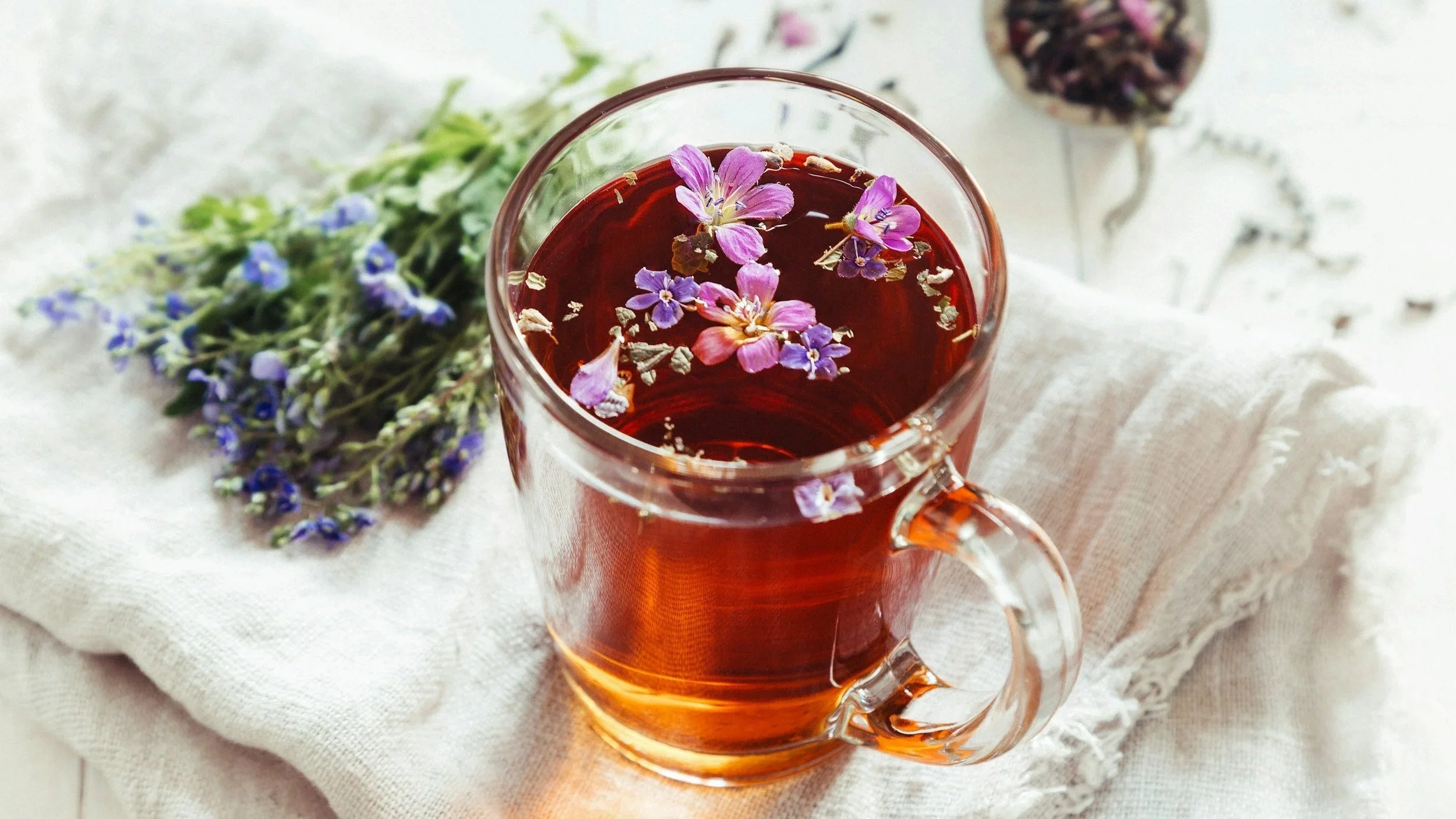
🌿 Herbal Teas — Chamomile, Ginger, Marshmallow Root
Herbal teas are one of the most accessible barrier tools in your reflux protocol. But not all teas are equal, and the mechanism matters.
Chamomile contains apigenin and bisabolol — compounds with demonstrated anti-inflammatory and antispasmodic properties. A review published in Molecular Medicine Reports (Srivastava et al., 2010, PMID: 21132119) documented chamomile's anti-inflammatory, antispasmodic, and mucosal-protective activity. For reflux, this translates to support for esophageal smooth muscle relaxation and mucus secretion, which reinforces the mucosal lining.
Ginger (Zingiber officinale) acts as a prokinetic — meaning it supports the forward movement of food through your digestive tract. Improved gastric emptying means less time for gastric contents to build pressure against your LES. A systematic review in Food Science & Nutrition (Nikkhah Bodagh et al., 2019, PMID: 30680163) confirmed ginger's role in accelerating gastric emptying and stimulating antral contractions in clinical trials.
Marshmallow root tea forms a mucilaginous gel that coats mucosal surfaces — creating a physical layer between pepsin-containing refluxate and your esophageal tissue. This is barrier mechanics in a cup.
How to use them: Drink warm (not hot) herbal tea 30–60 minutes after meals. The warmth supports parasympathetic activation and each herbal compound provides its specific mechanism-based benefit. One critical note: avoid peppermint tea if you're in an active healing phase. Menthol directly relaxes the LES, which works against the barrier you're trying to rebuild.
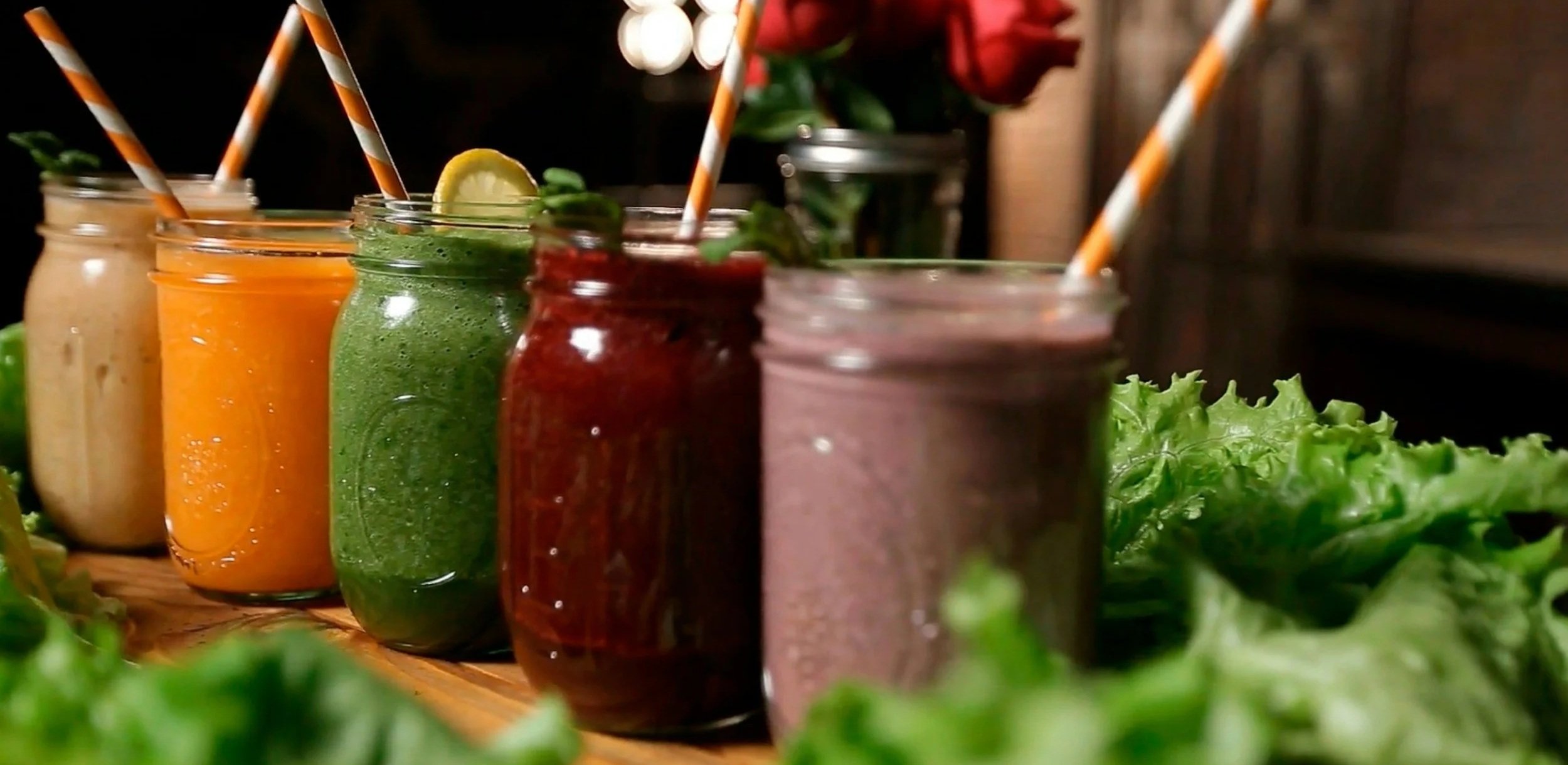
🌿 Smoothies — Done Right
Smoothies can be one of the best vehicles for reflux-supportive nutrition — or one of the worst. The difference is in how you build them.
A reflux-supportive smoothie prioritizes:
— A low-acid base: Unsweetened almond milk, oat milk, or coconut water (not citrus juice)
— Soluble fiber: Psyllium husk or ground flaxseed. Soluble fiber forms a viscous gel that buffers pepsin and supports barrier mechanics. The Rana et al. (2025) trial showed psyllium outperformed prokinetics for LPR symptom resolution (PMID: 40226240) — and adding it to a smoothie is one of the easiest ways to incorporate it
— Banana or melon: Low-acid fruits that contribute potassium and volume without dropping the pH
— A protein source: Plain Greek yogurt (if tolerated) or an unflavored protein powder
— Optional: 1/2 tsp DGL powder or slippery elm for mucosal support
What to avoid in reflux smoothies: citrus fruits, raw tomato, chocolate, large amounts of high-fat ingredients like excessive nut butter, and very cold temperatures (which can affect motility).
The goal is to make your smoothie a strategic delivery system — fiber, protein, and mucosal support in a format that's gentle on your barrier.
🌿 Coconut Water
Coconut water sits in the mildly acidic to near-neutral range (pH approximately 4.8–5.5) — not alkaline, but meaningfully gentler than citrus or most fruit juices. Its real value for reflux is the electrolyte content and low acidity relative to other hydration options. It's generally well-tolerated and a solid middle-of-the-day option. Just check the label — choose 100% coconut water with no added sugars.
🌿 Low-Acid Juices — Watermelon, Pear, Carrot
If you miss juice, these are your best options. Watermelon juice has a higher pH than citrus and contains citrulline, which supports circulation. Pear and carrot juices are naturally low-acid and well-tolerated in most healing phases. Diluting any juice 50/50 with water further reduces the acid load and the volume hitting your stomach at once.
Drinks to Be Strategic About
☕ Coffee
I'm not going to tell you to eliminate coffee forever. But I want you to understand the mechanism: caffeine relaxes the LES and increases gastric acid secretion. During an active healing phase, this works against your barrier.
If you're going to drink coffee, here's the strategic approach: choose low-acid varieties or cold brew — cold brew consistently shows lower titratable acid content than hot brew in lab analysis (Rao et al., 2018, Scientific Reports, PMC6207714), though pH values between the two methods are comparable. Limit to one cup, drink it with food (not on an empty stomach), and avoid it within 3 hours of lying down.
🥤 Carbonated Beverages
Carbonation increases intragastric pressure through gas distension — which can trigger transient LES relaxations. This isn't about the sugar or the caffeine (though those matter too). It's about the gas itself creating pressure that your LES has to fight against.
If you love sparkling water, try flat water during your healing phase and reintroduce carbonation as an experiment once your symptoms stabilize.
🍷 Alcohol
Alcohol is a triple hit: it relaxes the LES, increases gastric acid production, and directly irritates esophageal mucosa. Among alcoholic beverages, high-proof spirits and acidic wines tend to be the most triggering. If you choose to drink, lower-alcohol options consumed with food and followed by alkaline water are the most strategic approach.
The Timing Piece (This Matters More Than You Think)
What you drink is only half the equation. When and how you drink it changes the outcome.
— Sip, don't chug. Large boluses of any liquid increase gastric distension and pressure on the LES
— Drink most fluids between meals rather than during meals to avoid diluting digestive enzymes and over-filling your stomach
— Warm beverages after meals support parasympathetic tone and gastric motility
— Avoid all beverages within 2–3 hours of lying down — gravity is part of your anti-reflux barrier, and it only works when you're upright
Building Your Reflux-Supportive Drink Routine
Here's what a strategic day of drinking could look like:
· Morning - Warm chamomile or ginger tea, followed by alkaline water
· Mid-morning - A reflux-supportive smoothie with psyllium, banana, almond milk, and protein
· Afternoon - Alkaline water, coconut water, or a warm marshmallow root tea
· Evening - Warm ginger tea after dinner, then alkaline water through the evening — stopping 2–3 hours before bed
This isn't about restriction. It's about building a routine where every sip is working with your body instead of against it.
Going Deeper
What you drink is one piece of the protocol. It works best when it's part of a multi-layered approach that also addresses barrier optimization, food strategy, supplement support, and nervous system regulation.
That's exactly what we map out together inside the Reflux Relief Masterclass — where I walk you through the full FLORA method step by step. If you've been managing reflux with restriction and medication alone and you're ready for a different approach, this is where we go deeper.
→ Join the Reflux Relief Masterclass
And if you want daily support building these habits, the FLORA App includes drink tracking, meal planning tools, and a full recipe library with reflux-supportive smoothie recipes.
You deserve support that actually explains why your body is doing what it's doing — and what to do about it.
xo, Molly
you are loved.