Silent Reflux (LPR) Diet: 10 Foods to Avoid To Heal Fast
Something stuck in your throat that never fully clears. Throat pain. Throat clearing you do forty times a day without noticing anymore. A cough that lingers. A voice that sounds thinner by the afternoon. Trouble catching a full breath.
And no heartburn anywhere in sight.
That last part is what makes silent reflux so confusing, and so often missed. When you never feel the classic burn in your chest, it becomes very hard to connect what you ate at 1pm to how your throat feels at 4pm. So the food list shrinks and shrinks, and the symptoms stay.
There are specific reasons certain foods may be more problematic during a flare or healing phase. Once you understand those mechanisms, you can make strategic swaps while still eating a varied, nourishing diet.
Why Food Can Affect Silent Reflux Differently
Before the list, the framework. Every food below works through one of three pathways.
1. Acidity and pepsin
With LPR, refluxate can travel beyond the esophagus and reach the throat and laryngeal tissues.
One of the components of that refluxate is pepsin, a digestive enzyme normally found in the stomach.
Pepsin can remain within laryngeal tissue and contribute to inflammation. Importantly, its activity is influenced by pH. Acidic exposure can reactivate pepsin, which is one reason a temporary low-acid approach may help some people with LPR calm irritated throat tissue.
This is also part of the reason LPR can behave differently from traditional GERD.
2. Lower esophageal sphincter pressure
Your lower esophageal sphincter (LES) is part of your body's anti-reflux barrier.
Certain foods and drinks can temporarily affect LES pressure. If that barrier relaxes at the wrong time, stomach contents can travel upward more easily.
For someone with LPR, that refluxate may contain pepsin even when it is not highly acidic.
3. Gastric pressure
Meal size, meal timing, fat content, carbonation, and stomach emptying can all influence pressure inside the stomach.
More pressure against the LES can create more opportunities for reflux.
That is why I look beyond individual trigger foods when working with someone with LPR. How much you eat, when you eat, and how efficiently your stomach empties can matter just as much as the food itself.
Once you can name the mechanism, the swaps stop feeling like arbitrary rules and start feeling like strategy.
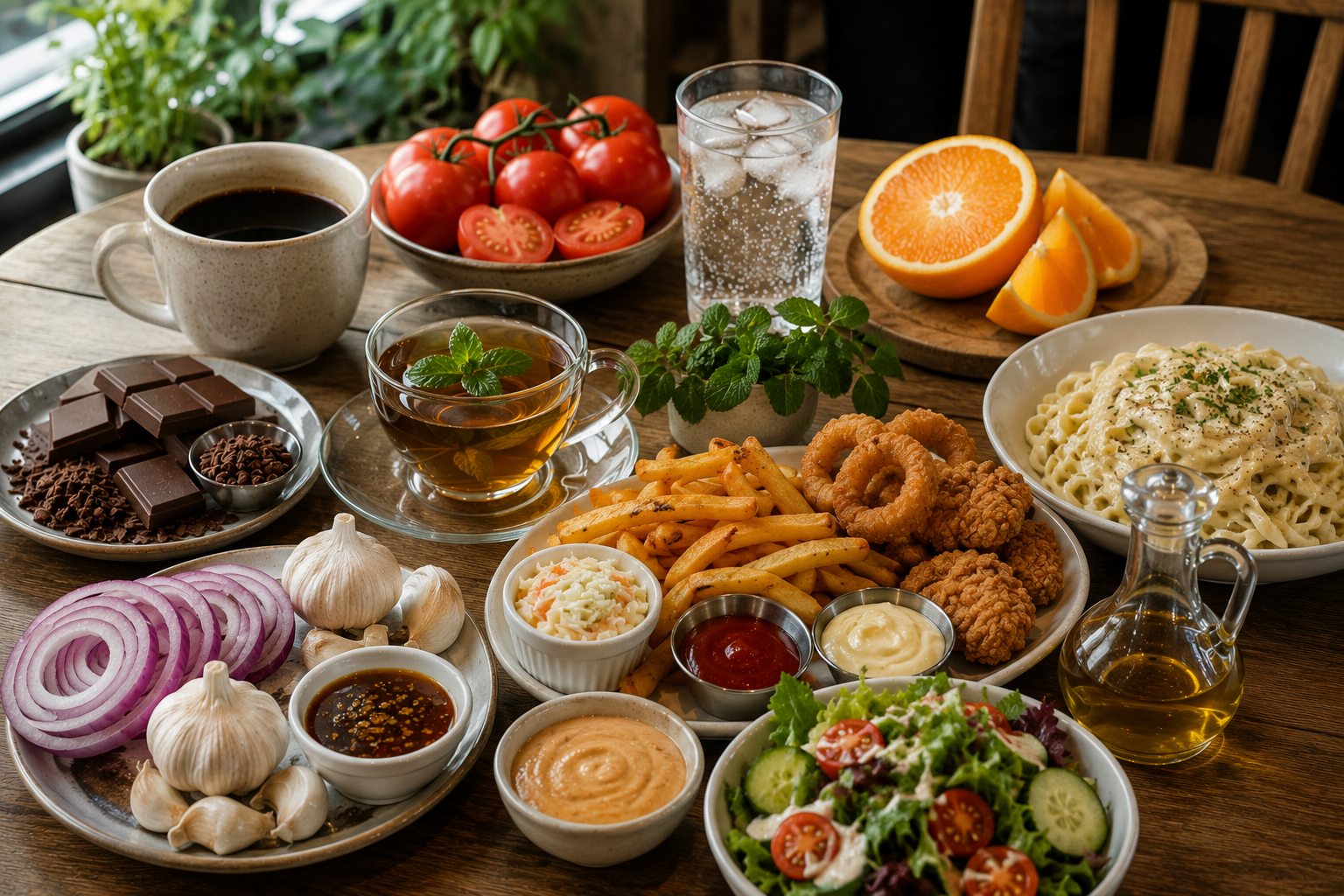
The 10 Foods to Lower During an LPR Healing Phase
1. Coffee
Coffee is a double hit. The caffeine lowers LES pressure, and coffee contains chlorogenic acid, so you get barrier relaxation and acidity in the same cup.
Some people tolerate a low acid coffee with a splash of milk to buffer it further, always with food, never on an empty stomach.
I can't tell you that you have to eliminate coffee. That is individual. What I will say is this: if you are doing the supplements, the nutrition, the lifestyle work, the nervous system work, and relief still is not coming, pausing coffee for two weeks is a worthwhile experiment. Two weeks is enough time to let tissue calm and pepsin stay quiet.
Swaps: a mesquite blend like Kamana (Code: MOLLY15), or a low acid roast (Day's Coffee)
2. Acidic Fruits Like Citrus and Tomato
This is mechanism one in its most direct form. Tomato sits around a pH of 4 to 4.5, and it gets more acidic once it is concentrated into a sauce or paste. Oranges, lemons, and limes land in similar territory.
This does not have to be forever. It usually means a temporary healing phase where we lower or remove the most acidic foods so pepsin can leave your tissue and deactivate.
Swaps: build your fruit around the alkaline end. Melon, papaya, honeydew, cantaloupe, watermelon, brown pears, bananas, dragon fruit, and avocado are all excellent picks.
3. Soda and Carbonated Water
I want to be honest with you here, because the evidence is weaker than the internet suggests. A systematic review found that carbonated beverages cause a very short decline in intra-esophageal pH and a transient reduction in LES basal pressure, and the authors concluded there is no consistent evidence that carbonated beverages cause GERD symptoms or complications (Johnson et al., 2010, Alimentary Pharmacology and Therapeutics, PMID: 20055784).
So why is it still on the list? Because soda is a triple hit: caffeinated, highly acidic, and carbonated. Carbonated waters with added citric acid or caffeine land in similar territory.
I get asked about citric acid constantly. Citric acid as the last ingredient on a loaf of bread does not concern me much. Citric acid added to a beverage is different, because you are drinking acid directly while trying to heal laryngeal tissue.
Swaps: flavord still waters like Hint, or homemade iced herbal teas. Iced ginger and iced chamomile are both lovely.
4. Alcohol
Two mechanisms at once. Alcohol relaxes the LES, and it is acidic.
Out of everything on this list, pausing alcohol tends to make the single biggest difference in throat symptoms.
There is another layer if you have a histamine component to your symptoms, whether that is MCAS or histamine intolerance. Alcohol is high histamine, and histamine can drive excess acid production. More acidic refluxate reaching tissue that already holds pepsin means more activation.
5. Chocolate
My personal favorite, and I do wish lima beans and broccoli were the triggers instead.
Chocolate contains theobromine and a small amount of caffeine, both of which reduce LES pressure. It also tends to be high in fat, which brings the pressure mechanism in as well.
There is a real difference between a small square of chocolate and a large slice of chocolate cake or something deep fried. Portion and timing carry a lot of weight here.
Swap: keep the portion small and keep it earlier in the day, and hold your 3-hour buffer, meaning no food for three hours before you lie down so your stomach can empty first.
6. Peppermint
This is one of the two that catches people, because peppermint tea is what so many of us reach for to settle a stomach. I used to drink it at night for exactly that reason.
Peppermint is a significant LES relaxer. You are soothing one thing and loosening your anti-reflux barrier at the same time.
Swaps: ginger, chamomile, or turmeric tea. Slippery elm is also excellent, as is DGL, which is deglycyrrhizinated licorice. I recommend the DGL form rather than pure licorice root tea, because licorice can affect blood pressure and the deglycyrrhizinated form does not. Those two are the reason we built DGL and slippery elm into our custom reflux blend, Sequoia Soothe.
7. Fried and Very High Fat Foods
Fat is not the enemy here. One of the more concerning patterns we see is people arriving at the practice having stripped fat out entirely, losing weight they did not need to lose. Healthy fats stay.
The concern is deep fried food, very creamy dishes, heavy oil and butter, and restaurant portions. Fat slows gastric emptying, and food sitting longer in the stomach builds pressure against your LES. A very large fat load at one sitting can loosen the barrier directly.
Swap: spread fat portions across the day rather than concentrating them in one meal. When eating out, look for grilled, broiled, baked, and roasted before fried.
8. Raw Onion and Raw Garlic
I specify raw for a reason For many reflux prone people, a sprinkle of garlic or onion powder makes no noticeable difference.
Raw onion and garlic contain compounds that temporarily reduce LES pressure. The bulb is where those compounds live.
Swaps: cook with whole cloves and remove them before serving, use garlic infused olive oil, or try Gourmend seasonings (Discount: MOLLY15), which use the low FODMAP green portion rather than the bulb.
9. Very Large Meals Late at Night
The typical pattern is a light morning and an enormous dinner, which runs against how digestion works. Breakfast like a king, lunch like a prince, dinner like a pauper is a useful structure with silent reflux. A light dinner means that when you lie down, your stomach is not full and pressing upward all night.
Swaps: the 3-hour buffer, ending your last eating opportunity three or more hours before bed. Then left side sleeping. When you lie on your right side, your esophagus angles downward relative to your stomach. On your left, the angle works in your favor.
10. Vinegars, Spicy Sauces, and Dressings
The second one that trips people up, and it causes problems even in small amounts.
Vinegar has a very low pH and usually arrives in a sauce or dressing that coats the throat on the way down, putting acid in direct contact with the exact tissue you are trying to calm. It is also high histamine.
Apple cider vinegar deserves a direct word. When it is recommended as a reflux remedy, what is actually being suggested is drinking acid while trying to heal acid and pepsin damaged tissue.
We see people arrive at FLORA significantly worse after trying it. If you are working with a clinician and it is helping you, wonderful. For most people with silent reflux, it is not recommended.
Swaps: low acid and acid free dressings built on a different base entirely. Chickpea, carrot, and tahini bases all work beautifully, loaded with fresh herbs and a little garlic infused olive oil. If you tolerate yogurt, yogurt based dressings are delicious.
What the Research Says About Diet Versus Medication for LPR
There is a 2026 study in JAMA Otolaryngology getting quoted a lot right now, so let's look at it properly.
The study included 145 patients with objectively diagnosed LPR, confirmed by 24 hour hypopharyngeal-esophageal impedance-pH testing, which matters because LPR is so frequently diagnosed on symptoms alone. It compared four approaches: a strict antireflux diet paired with stress reduction activities, PPIs, alginates, and antacids (Lechien, 2026, JAMA Otolaryngology Head and Neck Surgery, PMID: 42390846).
Every group improved. Symptom scores and clinical signs came down across the board.
What stands out is the response rate. The diet and stress reduction group had the highest proportion of responders at 81.2%, compared with 56.3% in the PPI group, 57.9% for alginates, and 74.1% for antacids.
I want to be straightforward about the limitations, because you deserve support that actually explains why. This was a retrospective analysis rather than a randomized trial, and the diet arm included stress management alongside the food changes, so we cannot cleanly separate the two. The authors themselves call for randomized trials comparing the four regimens.
What I can tell you is that this is consistent with what we already knew: the response to PPIs in LPR is frequently 50% or lower, and leading voices in this space, including Dr. Inna Hussain and Dr. Jamie Kaufman, point to nutrition and lifestyle as the current mainstay of LPR treatment.
That is not a small finding for a condition most people are handed a prescription for and sent home with.
3 Things to Add Instead of Only Removing Foods
If you have already eliminated half your diet, I do not want to leave you with another restriction list.
There are also things you can actively add to support better digestion and reflux control.
Mealtime mindfulness. This is the practice of supporting the cephalic phase of digestion, the preparation stage that happens before food even reaches your stomach. Chew thoroughly, to roughly an applesauce consistency. Slow down. Notice your hunger and fullness as you go. This makes a substantial difference in how efficiently the rest of digestion runs.
The 80% fullness framework. Also known as hara hachi bu, the Okinawan practice of eating to 80% full. The mechanism is pressure. When you eat to 100% fullness, your stomach is distended enough that normal contractions push contents upward, and that pressure against your LES encourages it to loosen. Eating to 80% will mean eating a little more often across the day, and for reflux prevention it is worth it.
The LES Lock. Diaphragmatic breathing after meals, which is deep belly breathing rather than shallow chest breathing. A randomized controlled trial found that diaphragmatic breathing training significantly reduced esophageal acid exposure time and lowered on demand PPI use at nine month follow up (Eherer et al., 2012, American Journal of Gastroenterology, PMID: 22146488). One to five minutes after meals is enough to start, and over time this supports the tone of the barrier itself.
Small hinges swing big doors. These three are some of the smallest hinges I know.

Where to Go From Here
If you read this whole list and felt your chest tighten a little, I understand. Ten foods is a lot to hold, and the last thing you need is another set of rules layered on top of a food list that already feels too small.
That is exactly why this works better with someone building the architecture alongside you. The sequencing of what to lower and for how long, when and how to bring things back in, how the food strategy fits with your barrier work and your nervous system, all of it depends on what your specific picture looks like.
That is the work we do together in 1:1 sessions. You get a personalized roadmap for your healing phase and a dietitian on your team who can adjust it as your tissue changes, rather than a generic list you are left to interpret alone.
→Apply for 1:1 Nutrition Counseling
You are not imagining these symptoms, and you are not stuck with them. The mechanisms are known, and they are workable.
With love,Molly Pelletier, MS, RD